

Professional Practice 2 for Customs – Import and Export Students: Practical Experience and Career Orientation
To strengthen practice-oriented training and provide students with opportunities to experience a professional working environment in the seaport and logistics sector, the Department of Public Finance – School of Financial and Banking Technology, University of Finance – Marketing (UFM), organized the Professional Practice 2 course for students majoring in Customs – Import and Export at Tan Cang – Cat Lai Port.
This is an annual activity that provides students with opportunities to experience a real-world working environment, helping them connect the knowledge acquired in the classroom with actual customs and import-export procedures and operations. At the same time, the program enables students to explore employment opportunities and orient their careers after completing their major. The delegation was welcomed, guided, and provided with practical knowledge related to port operations, transportation, and logistics by representatives of Tan Cang – STC Human Resources Development Company Limited.
Practical Experience in Port Operation Areas
A highlight of the program was the direct visit to various operational and handling areas at the port. Under the guidance of professional staff, students learned about activities at the wharf, vessel positioning procedures, cargo loading and unloading operations, and vessel turnaround.
At the container yard, students were introduced to methods of arranging and classifying containers, the functions of specialized equipment, and procedures for receiving, storing, and coordinating containers within the port. This enabled students to gain a clearer understanding of the role of each unit throughout the logistics operation chain.
The delegation also visited the barge terminal, where students learned about cargo transportation and trade between Ho Chi Minh City and the Mekong Delta, while gaining exposure to cargo handling and transportation procedures and the connection between inland waterway transportation and the port operation system.
At the cargo inspection area, students were introduced to the container scanning system, methods of cargo inspection and supervision, and related activities involved in carrying out customs procedures. The visit to the CFS warehouse helped students better understand the processes of receiving and dispatching cargo, warehouse organization methods, and the management and operation of less-than-container-load (LCL) cargo at the port.
In addition, students learned about activities at the commercial service area, cargo delivery and receipt procedures, and the relationships among import-export enterprises, shipping lines, customs authorities, logistics enterprises, and port operators.
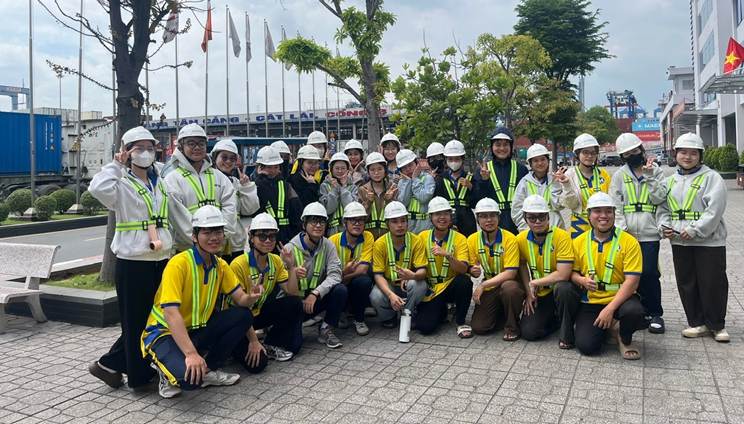
Figure 1: Students directly visiting various areas at Tan Cang – Cat Lai Port
Connecting Classroom Knowledge with Professional Practice
Through the program, students had the opportunity to directly observe the organization, operation, and handling of cargo at one of Vietnam’s major container ports. The practical knowledge gained helped students reinforce what they had learned in the classroom, gain a deeper understanding of the role of ports in the supply chain, and develop a comprehensive awareness of the professional requirements, skills, and working practices needed in the logistics sector.
During the discussion session, students actively raised questions about port operations, internship opportunities, recruitment, and the competencies required to work in the industry. These questions were specifically addressed by representatives of Tan Cang – STC, providing students with valuable information to support their learning and career orientation.
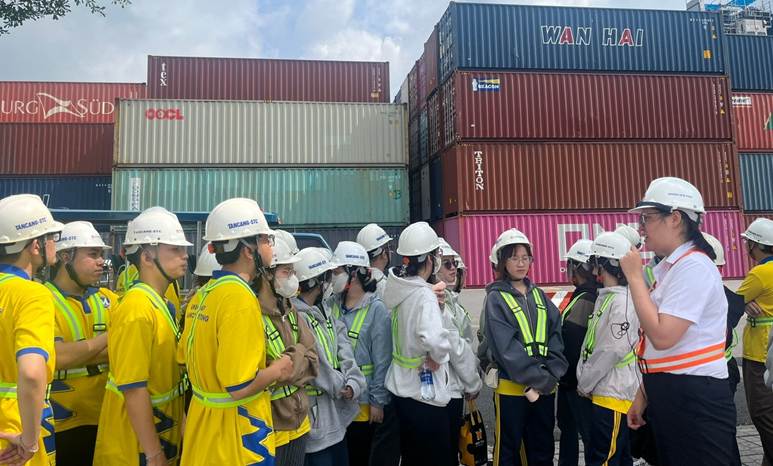
Figure 2: Students being introduced to methods of arranging and classifying container
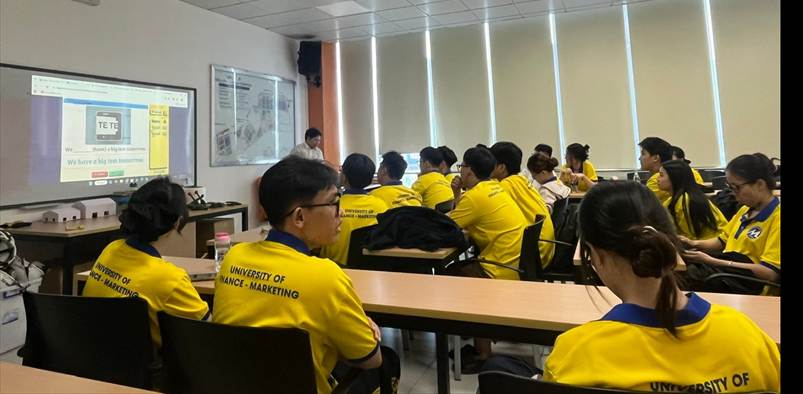
Figure 3: Students learning about port operation procedures with representatives of Tan Cang – STC
Affirming Employment Opportunities and Career Orientation in Customs – Import and Export
In addition to professional knowledge, representatives of the organization shared information about the current situation and development prospects of the seaport and logistics sector, as well as introduced job positions, professional requirements, and development opportunities available to students after graduation. This information provides students with a stronger basis for planning their studies, developing their skills, and preparing for careers that are aligned with the actual needs of businesses.
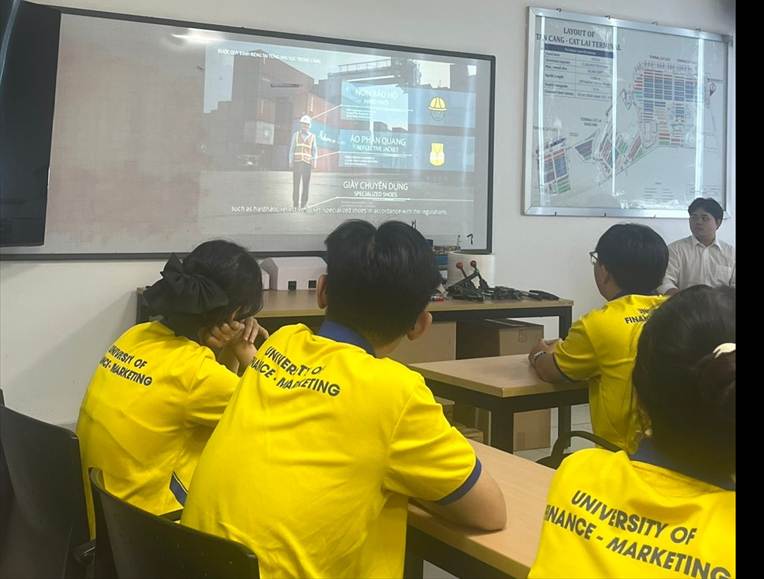
Figure 4: Students being introduced to job positions and professional requirements
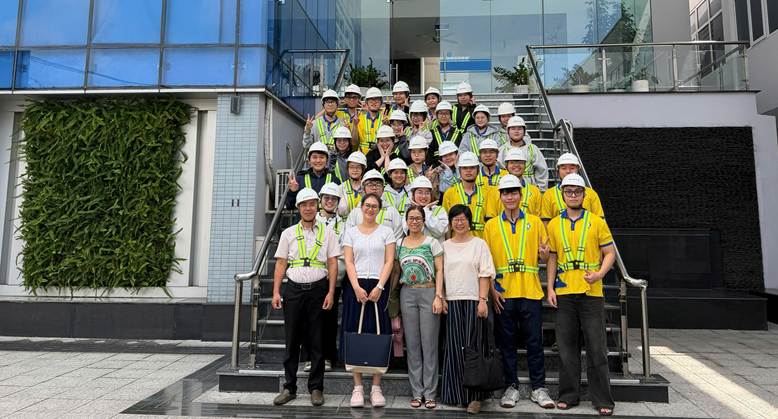
Figure 5: Lecturers and students visiting and undertaking practical learning at Tan Cang – Cat Lai Port
The field visit and practical learning program at Tan Cang – Cat Lai Port was a meaningful activity that contributed to the University’s orientation toward integrating theory with practice in education and training. It also provided an opportunity to strengthen the connection between the School of Financial and Banking Technology and businesses, while expanding the learning, experiential, and career development environment for students.
Nguyen Thi Kim Chi, Chu Thi Thanh Trang
School of Financial and Banking Technology.