

Professional Practice 1 for Valuation Students – Learning Through Practice at Enterprises
As part of the undergraduate training program in Finance – Banking, majoring in Valuation, the Professional Practice 1 (PP1) course plays a particularly important role as a bridge between academic theory and professional practice, providing students with their first opportunity to develop the ability to apply their knowledge to the realities of the market.
From the perspective of application-oriented training and an outcome-based approach, PP1 contributes to developing three core competency groups for students: professional competence, skills, and professional attitudes. The course helps students develop professional conduct, integrity, and objectivity, which are essential requirements of the valuation profession. In particular, as Vietnam’s real estate market continues to develop and increasingly demands greater transparency, providing students with direct exposure to valuation enterprises from their first academic year represents an appropriate training orientation, helping to narrow the gap between “learning to know” and “learning to do.”
Within the framework of PP1, students were organized to visit, study, and conduct field surveys at three representative enterprises in the valuation sector, including Nova Valuation Co., Ltd., Dat Viet Valuation Co., Ltd., and Gia Tri Viet Valuation Joint Stock Company.

Figure 1: 23DTD students majoring in Valuation studying at Dat Viet Valuation Co., Ltd
At these enterprises, students were introduced in detail to the standard valuation process, including basic steps such as receiving valuation requests from clients; conducting on-site property surveys; collecting market information; analyzing and selecting valuation methods; preparing valuation reports; conducting quality control; and issuing valuation certificates. Through direct observation and discussions with valuation professionals, students recognized that the actual valuation process is highly systematic and subject to strict legal and professional ethical controls. This experience helped students gain a clearer understanding of the importance of independence, objectivity, and transparency in valuation activities.
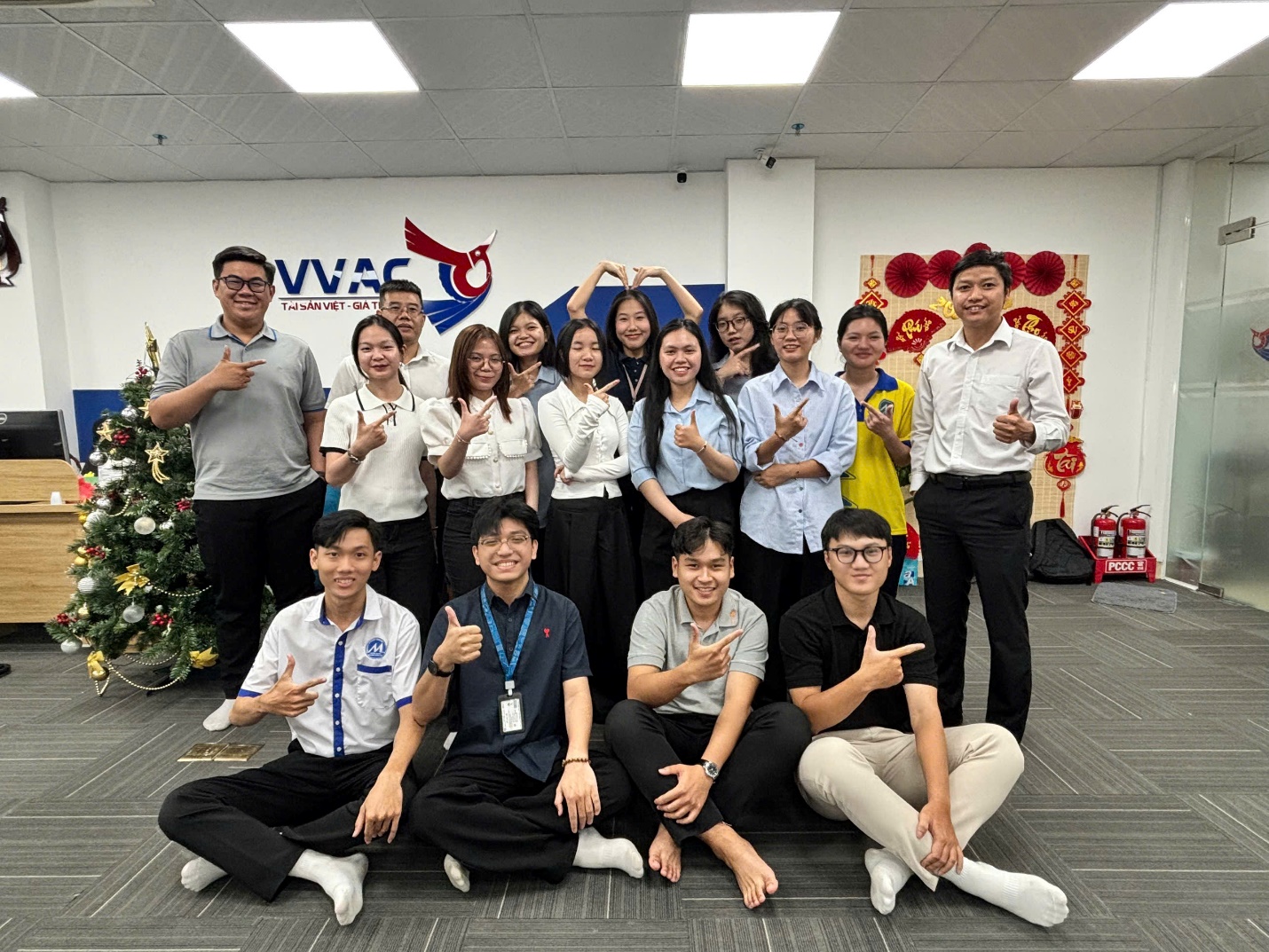
Figure 2: 23DTD students majoring in Valuation at Gia Tri Viet Valuation Joint Stock Company
One of the key activities of PP1 is conducting real estate market surveys in actual locations. Students were required to survey the locations and current conditions of real estate properties, record information on area, legal status, and purpose of use; collect asking prices and transaction prices; and interview brokers, local residents, and relevant parties. Through this process, students realized that market data are not always “clean” or as easily accessible as presented in textbooks. Distinguishing between asking prices and actual transaction prices, as well as assessing the reliability of information sources, is an important skill that can only be developed through practical experience.
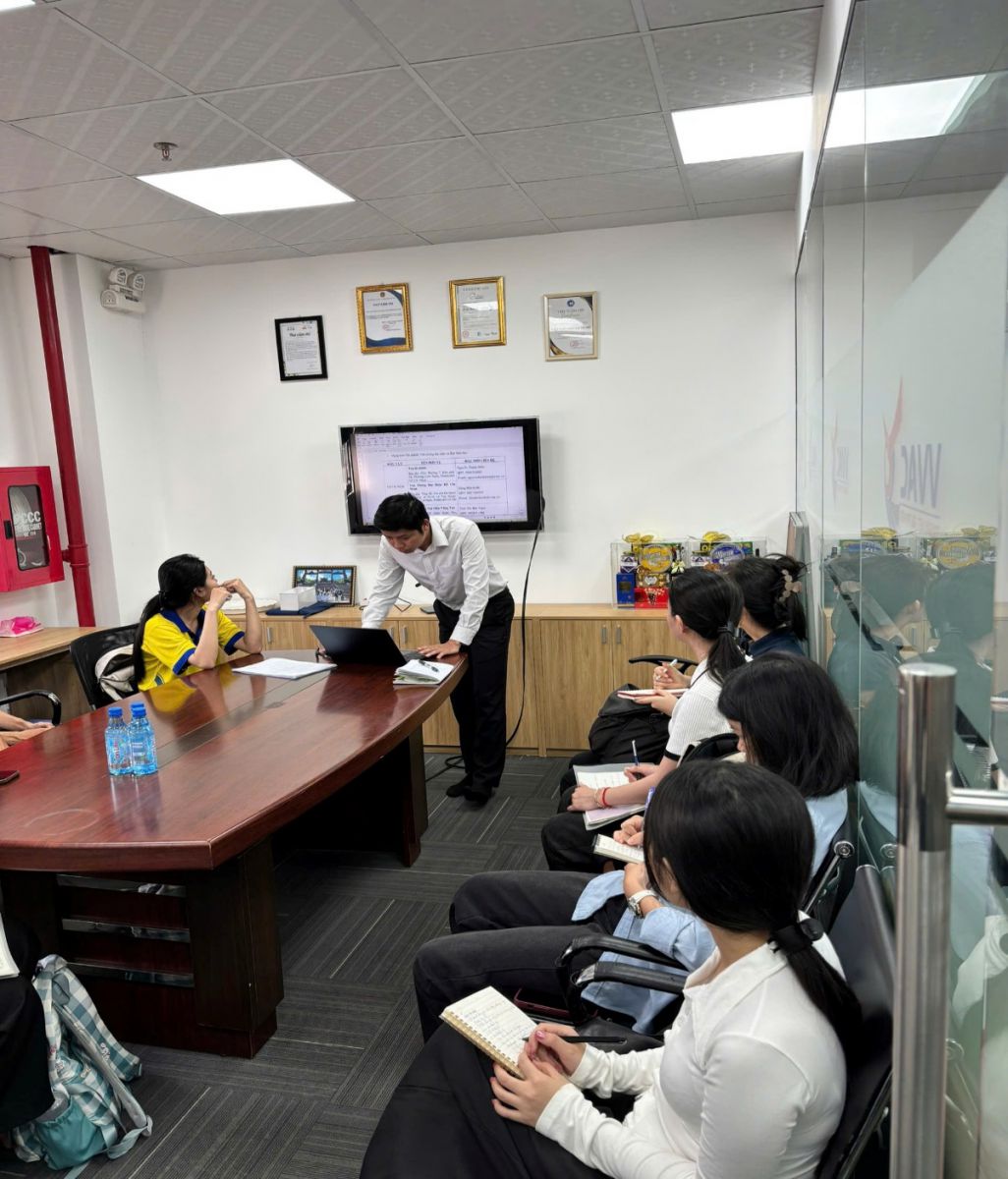
Figure 3: Experts from Gia Tri Viet Valuation Joint Stock Company sharing their knowledge and providing guidance to 23DTD students majoring in Valuation
Students were also introduced to supporting tools used in valuation, notably Fast-Pro software. Entering data, processing information, and standardizing reports through the software platform helped students gain a better understanding of the digitalization trend in the valuation industry while enhancing their technological competence, which is one of the essential requirements of today’s labor market.
Professional Practice 1 is a particularly meaningful course in the training of students majoring in Valuation. Through direct exposure to enterprises, students not only reinforce their knowledge but also comprehensively develop their professional skills and attitudes. Visits and learning activities at valuation enterprises such as Nova Valuation Co., Ltd., Dat Viet Valuation Co., Ltd., and Gia Tri Viet Valuation Joint Stock Company have provided students with valuable experiences, contributing to the development of their professional perspectives and enhancing their practical competencies.
Mai Thi Thanh Tra, Nguyen Thi Thanh Chau, Le Minh Phuong Mai, Chu Thi Thanh Trang
School of Financial and Banking Technology